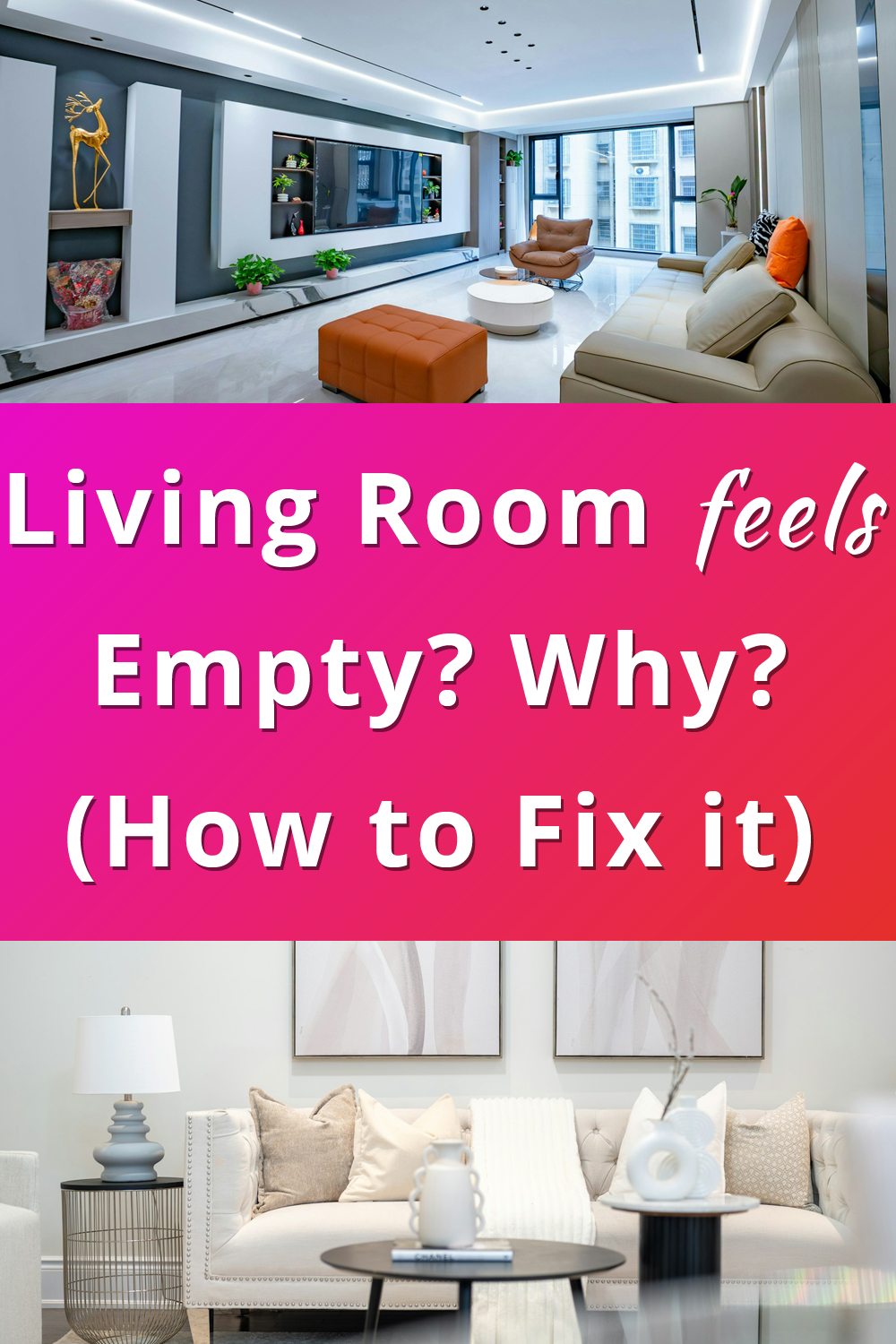
If you’ve ever walked into your living room and thought, “Why does this feel so empty?” – you’re not alone.
Even fully furnished rooms can feel unfinished, sparse, or just a little… off.
The good news? It’s usually not your furniture. It’s the styling around it.
Here are the most common reasons living rooms feel empty – and simple, renter-friendly ways to fix each one.
Want to Save this Article?
1. Your Living Room Lacks Visual Weight
(Photo by jason hu on Unsplash)
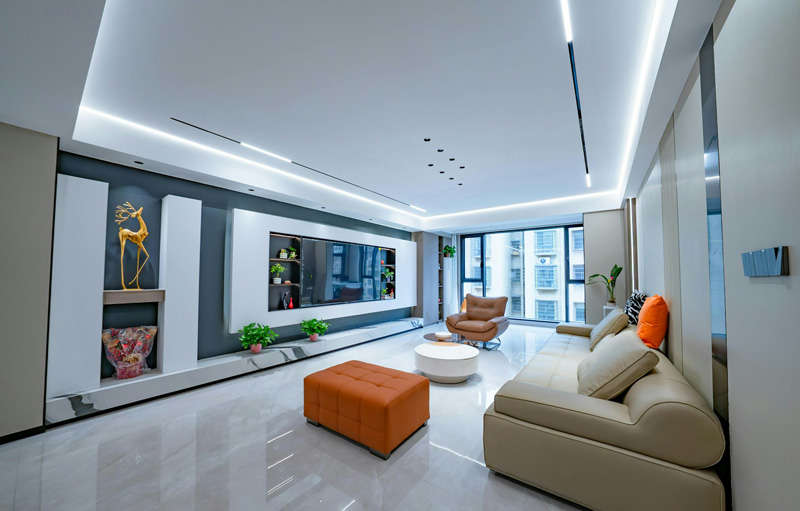
Rooms feel empty when everything is too small, too light, or too spread out. “Visual weight” is what makes a room feel grounded and intentional. Without it, the space looks floaty and unfinished.
How to tell if this is your issue
- Your furniture looks tiny compared to the room.
- Your coffee table feels lost in the middle.
- Your decor pieces are small and spaced far apart.
Easy fixes
- Add larger decor pieces (oversized art, tall plants, chunky throws).
- Use darker or richer tones to balance the space.
- Group decor instead of spreading it out.
For color inspiration, check out these cozy palettes: dark green, olive green, and sage green living rooms.
2. Your Rug Is Too Small (The #1 Culprit)
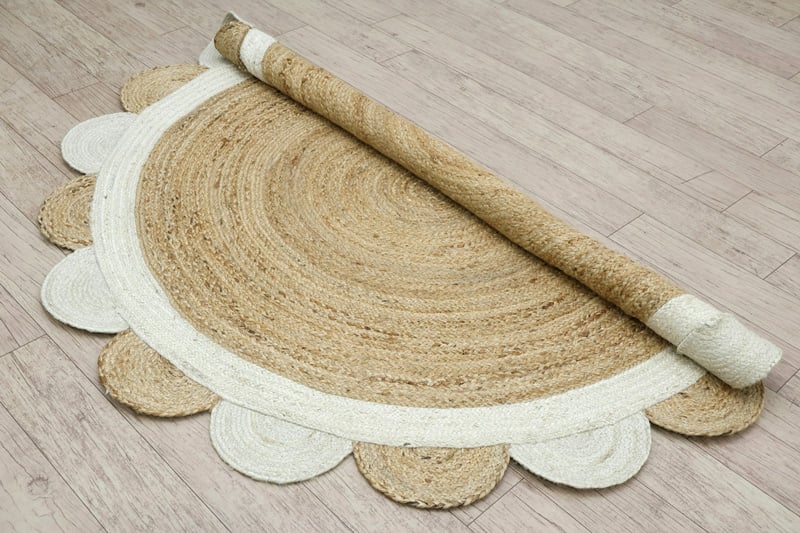
A small rug instantly makes a living room feel empty because it disconnects all the furniture. It’s the most common styling mistake – and the easiest to fix.
Signs your rug is undersized
- The rug only sits under the coffee table.
- Your sofa legs aren’t touching the rug.
- The room feels “floaty” even with plenty of furniture.
What to do instead
- Choose at least an 8×10 rug for most living rooms.
- Make sure the front legs of your sofa and chairs sit on the rug.
- Layer rugs if you’re on a budget.
✨ What's Your Living Room Personality?
Discover your vibe - take this quick quiz to reveal the living room style that matches your personality.
-
1. When you walk into your living room, how do you want it to feel?
-
2. Pick a must-have living room item:
-
3. Your ideal living room soundtrack:
Your Living Room Personality:
3. Your Walls Are Too Bare (or Decor Is Too Small)
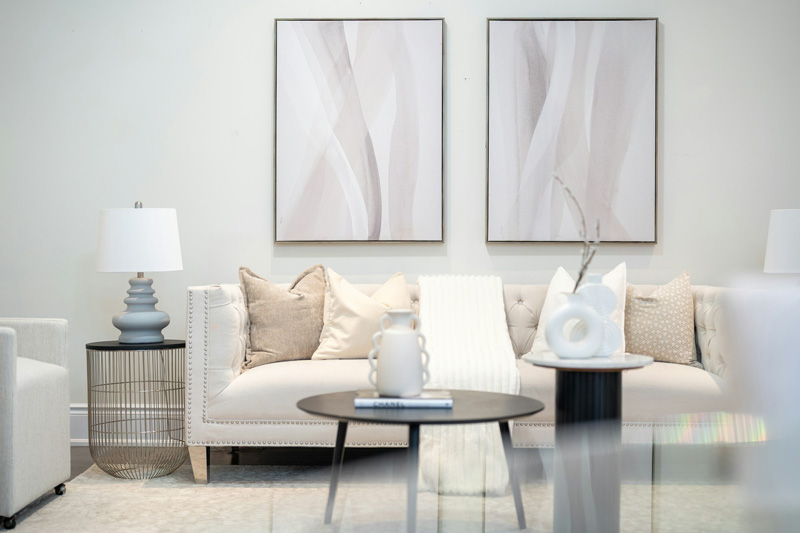
(Oversized Wall Art – Photo by Franco Debartolo on Unsplash)
Large blank walls make a room feel empty, even if the rest of the space is styled. On the flip side, tiny art pieces on big walls make everything feel out of scale.
How to fix it
- Use oversized art or a gallery wall.
- Add floating shelves for layered decor.
- Hang art lower – eye level is almost always lower than you think.
Need wall styling ideas? Try these vintage shelf ideas.
4. Your Lighting Is Too Dim or Too Cold
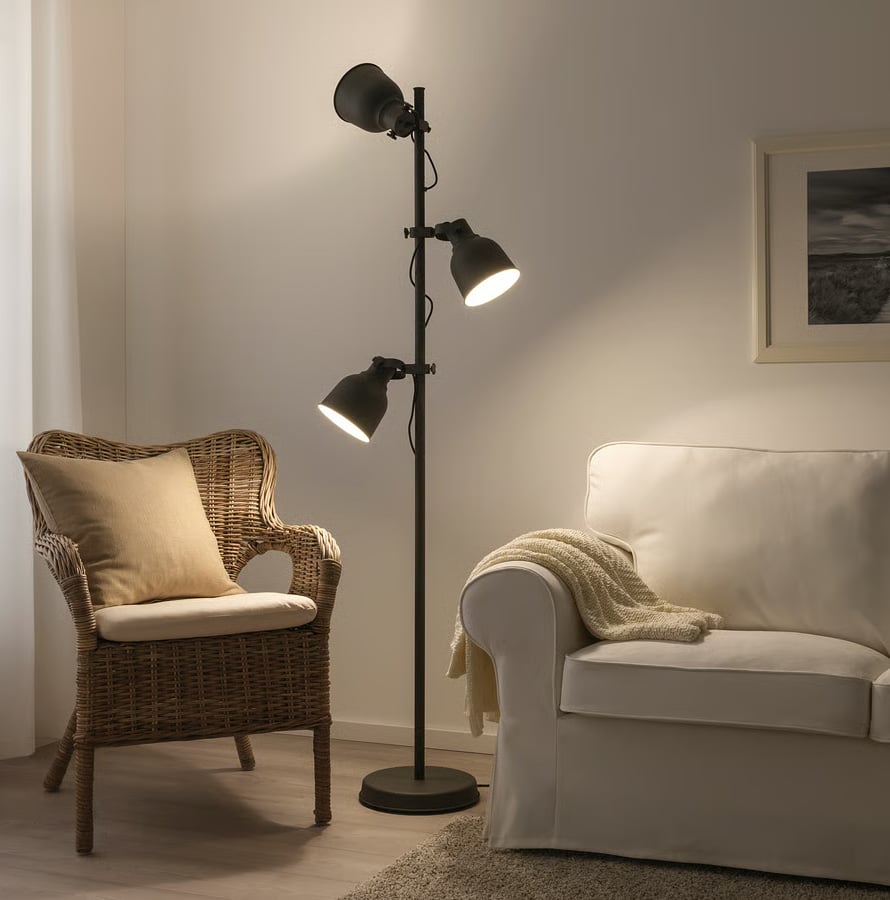
(source)
Lighting changes everything. A room with only overhead lighting (or none at all) will always feel empty, flat, or lifeless.
Fix it with layered lighting
- Add 3-4 light sources: floor lamp, table lamp, sconce, candles.
- Use warm bulbs (2700K-3000K) for a cozy glow.
- Try plug-in sconces if you’re renting.
For moody-but-cozy inspiration, check out these moody coastal living room ideas or these dark moody minimalist decor ideas.
5. Your Furniture Is Too Spread Out
When furniture is pushed against the walls or spaced too far apart, the room feels disconnected and empty – even if it’s full of pieces.
How to fix spacing
- Pull your sofa 6-12 inches off the wall.
- Create a conversation zone by grouping seating closer together.
- Add a side table, ottoman, or plant to fill awkward gaps.
6. You’re Missing Layers (Textures, Fabrics, Soft Elements)
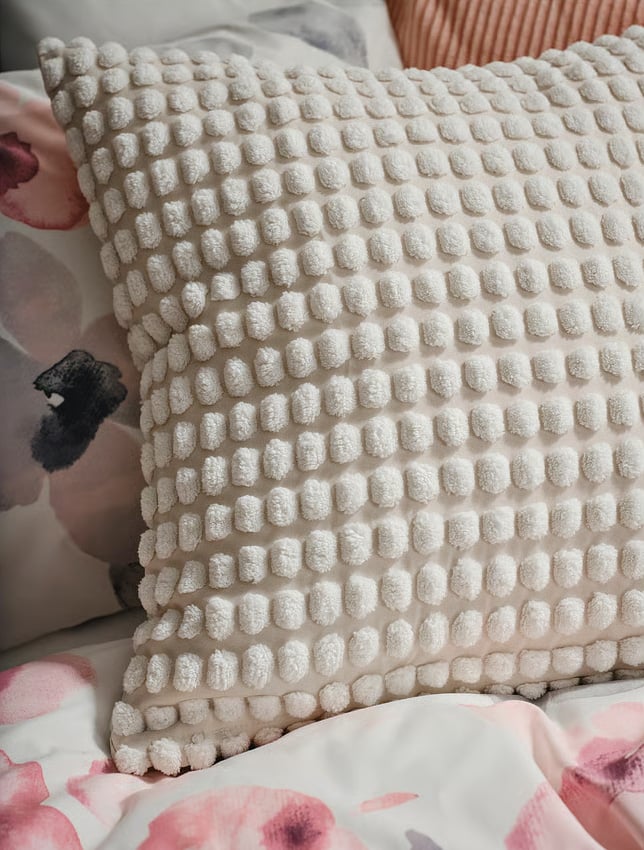
Texture is what makes a room feel warm and lived-in. Without it, even beautiful furniture can look flat and unfinished.
Layering ideas
- Mix fabrics: linen, boucle, cotton, knits.
- Add throw blankets and pillows in different textures.
- Use baskets, plants, and curtains to soften the space.
For cozy, layered styles, you’ll also love these cottagecore, rustic cozy, and green boho living room ideas.
7. Your Color Palette Is Too Light or Too Matchy-Matchy
All-beige or all-white rooms can feel empty because there’s no contrast. Rooms need depth – darker tones, natural wood, or pops of color – to feel grounded.
How to add depth
- Introduce deeper tones like olive, navy, charcoal, or walnut.
- Add contrast through pillows, throws, and art.
- Use black or dark wood accents to add weight and presence to the space.
For more color-rich inspiration: blue and green living rooms, green living room ideas.
8. You Don’t Have Enough “Soft Clutter” (The Good Kind)

Minimalism can accidentally look empty. What you want instead is curated clutter. Small touches that make the room feel lived-in and warm.
What to add:
- Books, candles, baskets, plants.
- Trays to group decor on coffee tables.
- Objects in different heights and textures.
For cozy styling ideas, check out these shabby chic ideas or vintage feminine decor ideas.
9. Your Room Is Missing a Focal Point
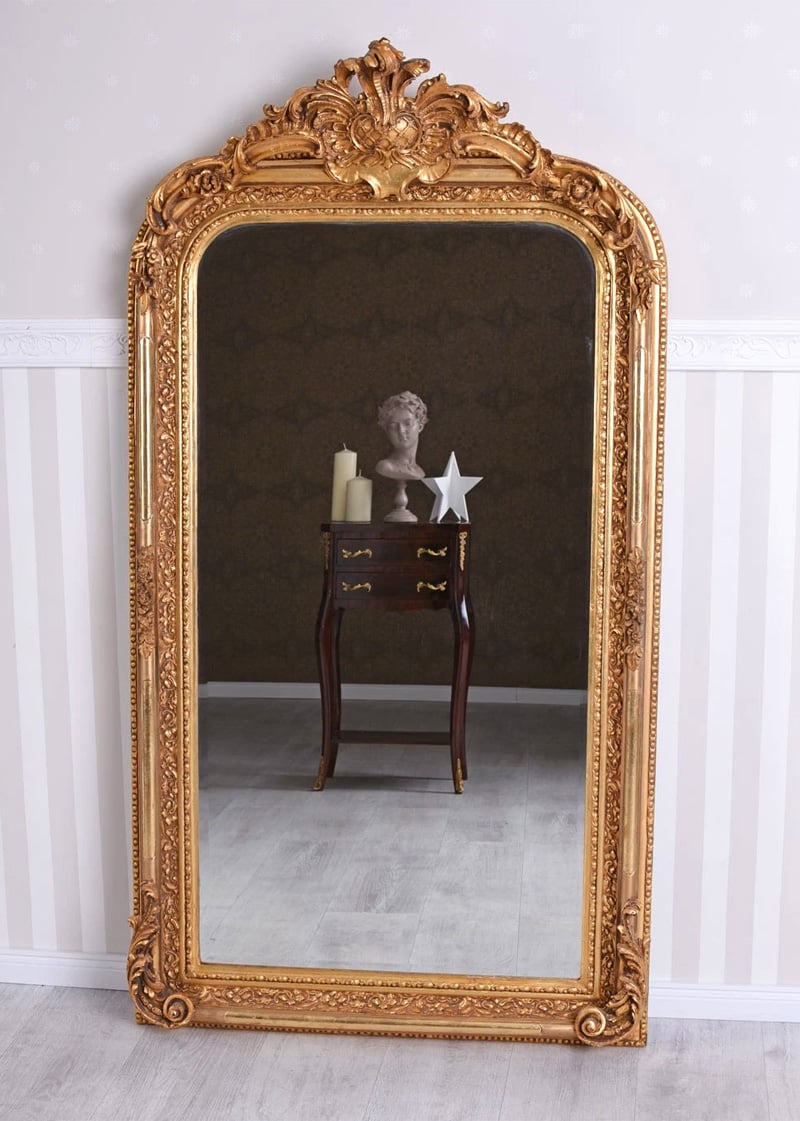
Every living room needs a “main character.” Without a focal point, the space feels like furniture floating in a box.
Easy focal point ideas:
- Oversized art or a gallery wall.
- A styled mantel (or faux mantel for renters).
- A TV gallery wall with frames around it.
- A statement mirror.
For more inspiration, don’t miss these: coastal chic living rooms or light cottagecore living rooms.
Quick Fixes You Can Do Today:
- Add a tall plant to fill an empty corner.
- Layer pillows in different textures.
- Throw a blanket over the sofa arm.
- Lower your art.
- Add a floor lamp to a dark corner.
- Style your coffee table with a tray.
- Pull furniture closer together.
- Layer a larger rug under your current one.
Some Questions You May Have:
Why does my living room feel empty even with furniture?
Usually, because the rug is too small, the walls are bare, or the lighting is flat. Adding texture, layers, and visual weight makes a huge difference.
How do I make my living room feel fuller without buying new furniture?
Use what you already have: rearrange furniture, add layered lighting, lower your art, and style surfaces with books, trays, and textiles.
What makes a living room feel cozy instead of empty?
Warm lighting, layered textures, a grounded color palette, and decor that fills visual gaps.
Thanks for reading,
Anli